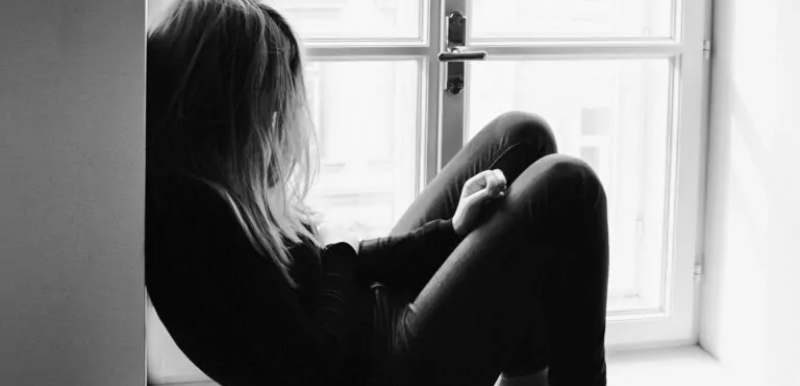
The Grief of Body Change Even When It’s Supposed to Be “Good”
Whether it's weight loss, muscle gain, or just aging, body change can trigger quiet grief. Here’s how to hold space for it while still moving forward.
It’s a feeling that’s hard to name but easy to recognize if you’ve been there. You change your body. You reach the goal. You gain the muscle, lose the weight, lean out, bulk up, or simply shift with age. And yet... something feels off. Not wrong, exactly. Just unfamiliar. That disconnect between what you see and how you feel? That’s grief. And it doesn’t mean you're ungrateful. It means you’re human.
In the world of body change and transformation journeys, the emotional undercurrent is rarely discussed. But whether it’s a dramatic shift from a 1 month body transformation, the slow evolution that comes with aging, or a sudden post-injury change in your body physique, grief can show up quietly, and stay longer than anyone expects.
Why Transformation Isn’t Always a Straight Line Emotionally
We’re taught to believe transformation is a linear upgrade: before, after equals happiness. But real life, real bodies, and real emotions don’t work like that. You can be proud of your physical progress and still feel disoriented by it. You can want change and still miss what came before. The body may look “better” to others, but if it feels foreign to you, that dissonance is real.
This grief isn’t about vanity. It’s about identity. We live in our bodies every second of our lives, any shift, whether chosen or not, ripples through our sense of self. Transformations in fitness may bring strength, discipline, or stamina, but they also bring questions: Who am I now? What do I need? What do I miss that I didn’t expect to?
The Loss of Familiarity Even When the New Is “Better”
Even positive body change can bring a quiet sense of loss. You might miss the softness you once judged. You might feel strange in clothes that no longer fit not because they’re too small, but because they’re too loose. There’s a psychological safety in familiarity, even if that familiarity was tied to struggle. A body you knew inside and out may now move differently, respond differently, or feel distant.
And for some, particularly women, this experience intersects with aging. The subtle softening of skin, shifts in hormones, or post-pregnancy changes can feel like a loss of something personal, even sacred. Not because beauty is fading, but because something intimate is transforming. It’s not wrong to feel that. It’s not vain. It’s grief.
When Praise Makes It Harder
Here’s the paradox: the more validation you get from others, the harder it can be to admit you’re struggling. Compliments on weight loss or muscle gain can make it feel unsafe to express any discomfort. You’re supposed to be thrilled. You’re supposed to own it. And when you don’t feel fully aligned, the silence can get loud.
Social approval can be a double-edged sword. What looks like a celebration on the outside may deepen the pressure to keep changing or stay “after” forever. And that pressure can make you disconnect from what you actually feel.
People comment on your glow-up, your progress, and your dedication. But what they don’t see is the quiet moment when you look in the mirror and feel… out of place. Not worse. Just different. Just not quite home.
Learning to Meet the Body Where It Is
The antidote to this grief isn’t to reverse it. It’s to meet it. That means creating space for all the complexity: the pride, the confusion, the nostalgia, the discomfort. It means realizing that body neutrality, not love, not hate, might be the most healing place to land.
You don’t have to love your body's physique every day to respect it. You don’t have to feel at ease to show up with care. And you definitely don’t need to perform for others just because you’ve changed. Sometimes, the bravest thing you can do is say: This body is mine, and I’m still learning it.
Whether you’re navigating strength changes from Pilates, shifts after transformations in fitness, or simply the very human reality of normal women’s bodies evolving, give yourself permission to feel both pride and sadness. Both are valid. Both belong.
Rebuilding Self-Connection After Change
The path back to peace with your body isn’t paved with perfect routines or new goals. It starts with attention, quiet, kind attention.
Here are ways to start rebuilding that connection:
- Move for feedback, not control. Shift from trying to “fix” your body to simply asking how it feels today.
- Wear what feels good now. Not what fit before, not what might fit after. Now.
- Speak about your body gently, even in your head. Grief needs softness, not critique.
- Limit unsolicited feedback. Ask friends to pause the praise if it’s making you spiral.
- Find your new normal slowly. You don’t have to rush into loving it. Just let it be yours again.
Body change, whether through intentional training, life transitions, or simply time, is part of the human experience. It doesn’t always feel like a glow-up. Sometimes it feels like letting go of something you didn’t know mattered to you until it was gone. That doesn’t mean you’re failing. It means you’re adjusting. It means you’re honoring something real. Because underneath the transformation is still you, and you are worth staying connected to, no matter the shape you take.
Follow FlexGlimpse for deeper conversations on fitness, body image, and self-trust.
Related Blogs

ShirtPunch Review: Fun Pop Culture Apparel and Collectibles
Looking for unique pop culture apparel? Read our ShirtPunch review to explore graphic T-shirts, hoodies, collectibles, and accessories designed for fans of gaming, anime, movies, comics, and more.

Is Commomy Decor Worth Buying For Stylish Home Furniture
Looking for stylish and practical home furniture? Read our Commomy Decor review to explore its modern furniture designs, décor collections, functional pieces, and affordable options that help create comfortable and beautiful living spaces.
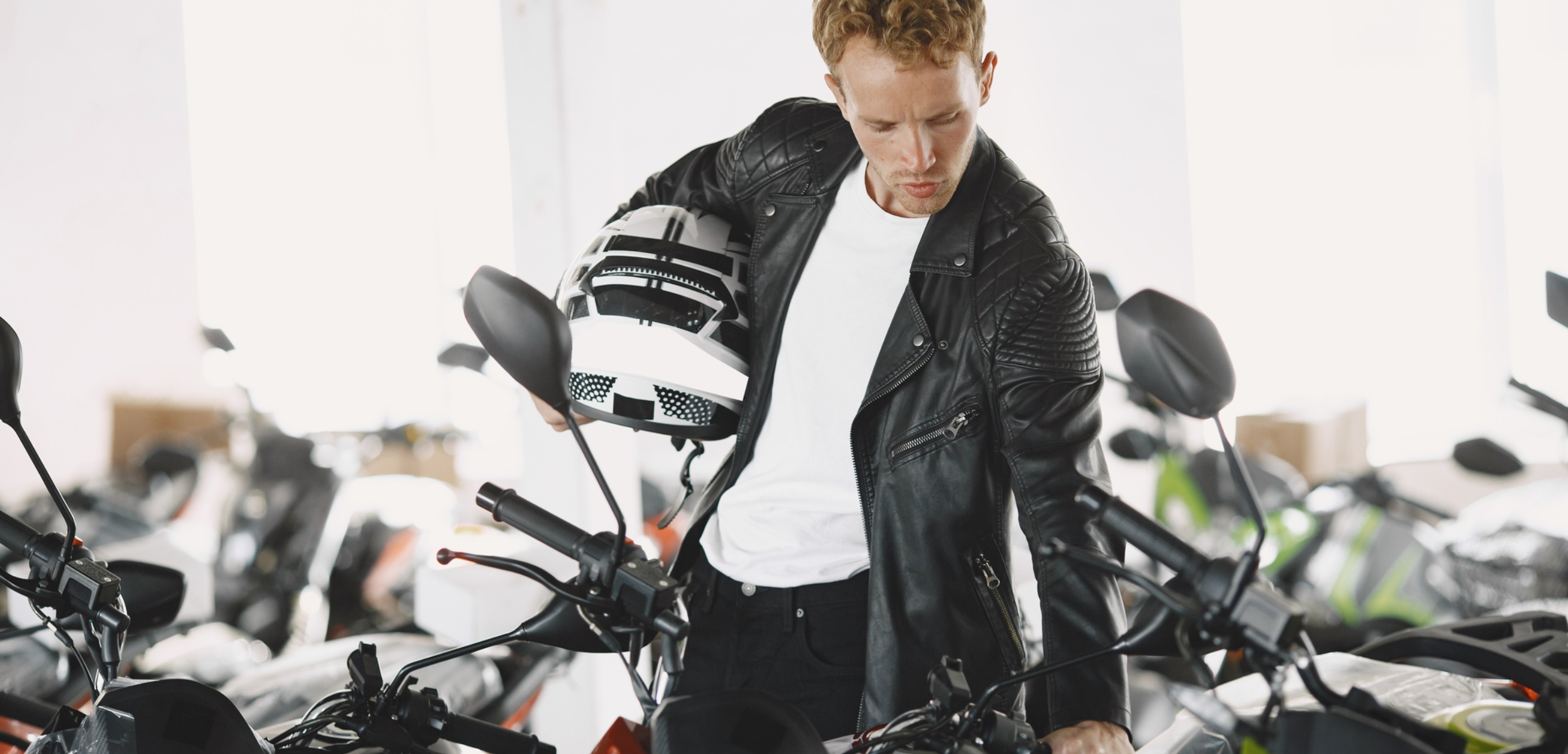
Is Team Motorcycle the Best Store for Motorcycle Gear and Riding Accessories
Searching for reliable motorcycle gear? Read our Team Motorcycle review to explore its wide range of helmets, riding apparel, boots, gloves, luggage, and accessories designed for riders of every experience level and budget.