What Refurbished Electronics Really Mean and When to Buy Them
Refurbished doesn't always mean risky. Learn when it's a smart buy and what to check before saying yes.
In today’s market, buying brand-new electronics isn’t always the only smart move. With prices rising and tech evolving rapidly, more people are turning to refurbished electronics as a way to get the devices they need without overspending. But there's often confusion around what refurbished really means, and the idea of buying something that isn’t brand new can raise questions. Are these devices reliable? Safe? Worth the savings?
This guide breaks down everything needed to understand what refurbished means in electronics, how to separate smart buys from risky ones, and why this option is becoming increasingly popular for those shopping with purpose.
The Rise in Interest in Refurbished Devices
The trend toward refurbished electronics has been growing steadily, especially as consumers become more price-aware and sustainability-focused. With major retailers and even manufacturers offering certified refurbished lines, the market has shifted from something niche to a mainstream option.
Many buyers today are looking for alternatives to high-priced new products. Others want to support more environmentally conscious practices, reducing e-waste by giving devices a second life. These motivations, combined with the rising quality of refurbished goods, are pushing more people to ask the right question: are refurbished electronics as good as new?
What Refurbished Electronics Actually Are
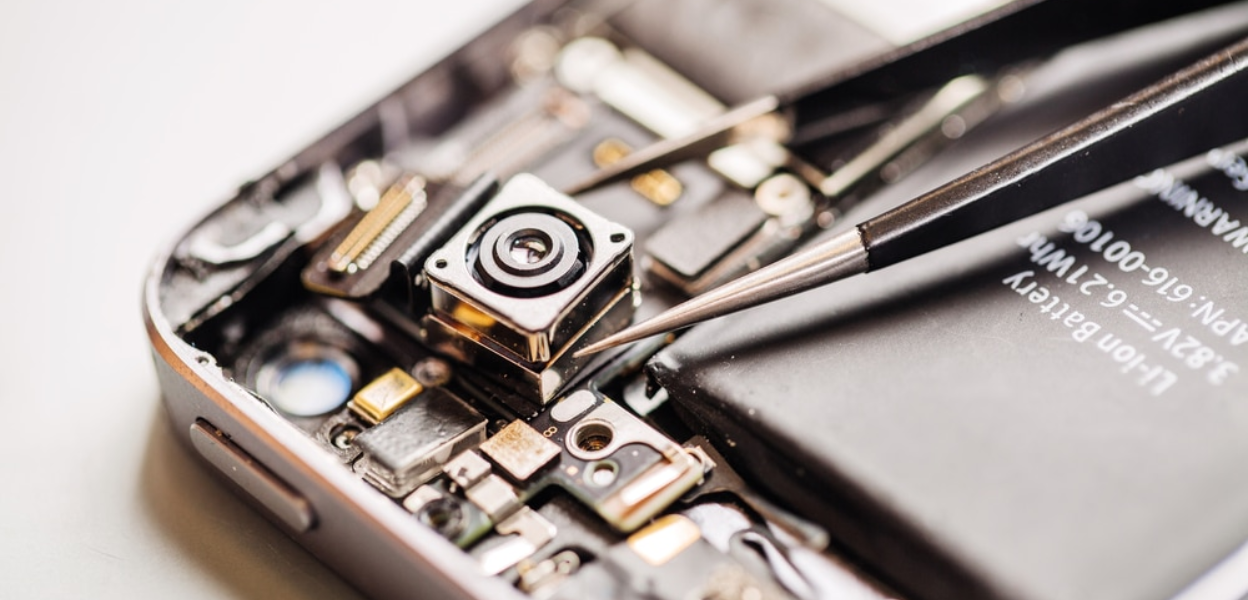
Refurbished doesn’t mean used in the way most people assume. A refurbished device has typically been returned due to a defect, a change of mind, or a canceled order. After the return, it goes through an inspection, repair (if needed), and cleaning process to restore it to full working condition.
There are two main categories in the refurbished world:
Manufacturer Refurbished
This is when the original manufacturer restores the device. It usually undergoes a strict quality check, is reset to factory settings, and is repackaged, often with a warranty included. These tend to be the most reliable refurbished electronics deals, and they’re usually a safe bet.
Seller Refurbished
This is done by third-party sellers. While many of them offer good-quality products, the standards may vary. Seller-refurbished devices don’t always include the same level of testing or warranty as those refurbished by the manufacturer. That’s why it’s important to buy from trusted sellers with strong return policies.
Common Myths and Misconceptions
There’s still hesitation around refurbished electronics, and most of it comes from outdated myths. One of the biggest is the belief that these devices are broken, unreliable, or just second-hand castoffs. In reality, many refurbished items were barely used or never used at all.
Another common myth is that refurbished phones or computers won’t last as long. But longevity depends on the quality of refurbishment, the original brand, and how the item is used post-purchase. With the right research and a little caution, it’s easy to find used electronics that function just as smoothly as their newer counterparts.
Warranties also tend to raise concern. While some refurbished items come without one, many now offer warranties of 90 days to a full year. When it comes to are refurbished electronics as good as new, the answer depends largely on where they come from and how they’ve been certified.
Benefits of Buying Refurbished
Buying refurbished electronics can be a smart financial and environmental choice. One of the most obvious benefits is cost. Refurbished items are often priced significantly lower than new ones, making them ideal for students, families, or anyone on a budget.
There's also the advantage of availability. Older models that are no longer in production can still be found in refurbished condition, especially when shopping for a refurbished computer or discontinued smartphones. This is great for users who prefer a specific operating system or hardware setup.
Environmentally, choosing refurbished electronics helps reduce waste. Each purchase keeps a device out of a landfill and cuts down on the resources used to manufacture new products. For those looking to shop responsibly, refurbished is a small step with a big impact.
What to Look For in a Safe Purchase
Not all refurbished products are created equal, so it’s important to know how to shop wisely. The key is to look for guarantees of quality, clear product grading, and reliable support.
Warranties are a big indicator. A refurbished computer or phone that comes with a 6- to 12-month warranty shows that the seller stands behind the product. It's also smart to check the return policy, there should be at least a 14-day window, if not longer, to allow for any issues to be addressed.
Certifications can also guide a smart purchase. Labels like “certified refurbished” often mean that the item has gone through a more rigorous inspection process, especially from larger retailers or manufacturers.
The condition grade matters too. Most sellers list devices as Grade A (like new), Grade B (minor wear), or Grade C (visible wear and tear). Knowing what condition you're paying for prevents surprises when the product arrives.
Reading user reviews, especially those mentioning the product’s current performance and condition, gives a real-world look at how the device holds up post-purchase. It’s also worth checking what accessories are included. Some refurbished phones come with the original charger and packaging, while others may not.
When to Avoid Refurbished Products
There are still times when buying refurbished may not be the best choice. Devices that rely heavily on battery life, like wireless earbuds or older smartphones might not perform well if the battery hasn’t been replaced during the refurbishment process.
Screens can also be tricky. A used electronics item like a tablet or monitor with a refurbished screen might show slight discoloration, dead pixels, or reduced brightness. If visual clarity is essential, it might be better to invest in new gear.
Items that depend on outdated or soon-to-be unsupported software should also be approached with caution. A refurbished computer running an old operating system that can’t be updated might limit what you can do. Security risks and app incompatibility are real concerns with legacy tech. So while refurbished electronics are usually a smart choice, there are certain categories where the savings might not be worth the risk.
Where to Shop Refurbished Safely
Knowing where to shop makes all the difference. Trusted retailers like Apple, Dell, and Samsung have official certified refurbished programs. These products typically come with full warranties and have passed multi-point inspections. Shopping directly from the manufacturer ensures a higher level of quality and post-purchase support.
Large online platforms like Amazon and Best Buy also offer dedicated refurbished sections. Amazon Renewed, for example, guarantees condition and offers replacement within 90 days. For refurbished electronics deals, these platforms offer both variety and peace of mind.
Smaller sites and marketplaces can be tempting, but they require extra caution. Before buying from these sellers, check for verified customer reviews, clear return policies, and details on the testing process. A seller offering refurbished laptops or refurbished phones without any warranty or certification is usually worth avoiding.
Shopping for refurbished electronics is a smart, budget-friendly, and eco-conscious way to own quality tech. By understanding what refurbished really means, how to tell a good deal from a red flag, and where to shop safely, it becomes easier to answer the question: are refurbished electronics as good as new? With the right approach, it’s possible to find excellent refurbished electronics deals that look good, run like new, and last for years. The key is knowing what to check, where to look, and when to walk away.
For more honest guides and helpful insights, keep checking back with FlexGlimpse.
Related Blogs

ShirtPunch Review: Fun Pop Culture Apparel and Collectibles
Looking for unique pop culture apparel? Read our ShirtPunch review to explore graphic T-shirts, hoodies, collectibles, and accessories designed for fans of gaming, anime, movies, comics, and more.

Is Commomy Decor Worth Buying For Stylish Home Furniture
Looking for stylish and practical home furniture? Read our Commomy Decor review to explore its modern furniture designs, décor collections, functional pieces, and affordable options that help create comfortable and beautiful living spaces.

Is Team Motorcycle the Best Store for Motorcycle Gear and Riding Accessories
Searching for reliable motorcycle gear? Read our Team Motorcycle review to explore its wide range of helmets, riding apparel, boots, gloves, luggage, and accessories designed for riders of every experience level and budget.