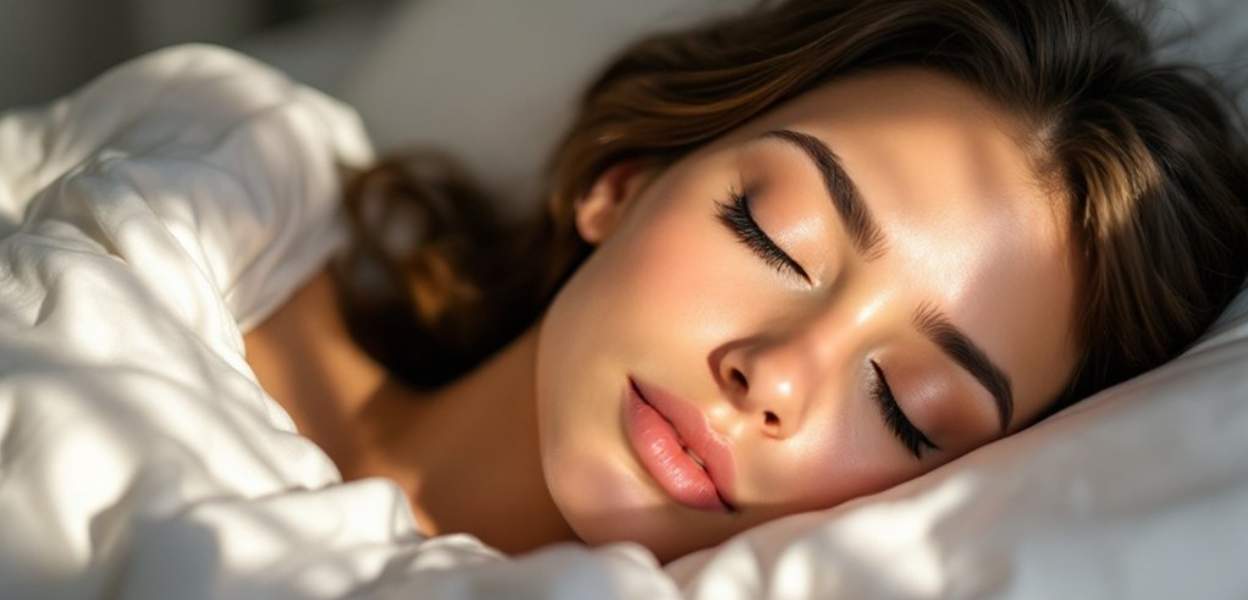
How Sleep Quality Impacts Skin and Aging
Your skin repairs while you sleep, but poor sleep can show up as breakouts, dullness, and wrinkles. Learn how to optimize rest for healthier skin.
We’ve all heard the phrase “get your beauty sleep,” but let’s be real, it sounds like something your mom said when you stayed up past midnight texting. The thing is, there’s actual science behind it, and it’s more powerful than most people realize. Sleep and skin are deeply connected, and poor rest doesn’t just leave you feeling groggy; it shows up on your face in more ways than one. From breakouts to dullness to visible signs of skin aging, a lack of quality sleep can fast-track your skin to a place you don’t want it to go.
If you’re investing in skincare routines, serums, and facials but skipping sleep, you’re unintentionally working against your glow goals. So let’s dive into how sleep affects skin on a cellular level, the ways it influences aging, and what you can actually do to optimize your rest for radiant, glowing skin.
Why Your Skin Works Overtime While You Sleep

Your skin doesn’t clock out at night; it goes into repair mode. During sleep, your body increases blood flow to the skin, produces collagen, and repairs damage from UV exposure and pollution. This is when your skin’s natural renewal process kicks into high gear, replacing old cells with fresh ones. That’s why deep, uninterrupted sleep is critical for skin regeneration.
Melatonin, your sleep hormone, also acts as a powerful antioxidant. It helps protect the skin from free radical damage and supports cell turnover. On top of that, growth hormones released during sleep help rebuild collagen and elastin, keeping your skin plump, firm, and youthful. So if you’ve ever wondered why some people literally wake up glowing, it’s not just good lighting, it’s biology.
The Harsh Reality of Sleep Deprivation on Skin
Lack of sleep doesn’t just make you feel terrible. It shows. Shortened or disrupted sleep affects the skin barrier function, increases water loss, and spikes cortisol levels (aka your stress hormone). This leads to puffiness, dark circles, breakouts, inflammation, and a noticeable lack of radiance. Studies show that even one night of poor sleep can result in:
- Reduced skin hydration
- Increased fine lines and wrinkles
- Uneven skin tone
- A dull, tired appearance
The long-term effects? That’s where it gets serious. Chronically poor sleep is associated with accelerated skin aging. Without enough quality rest, collagen production slows, and the skin loses its firmness and elasticity. So if you’re asking how sleep affects skin long-term, the answer is simple, it speeds up aging and slows down your skin’s natural glow cycle.
What Happens to Your Skin Hour by Hour While You Sleep

Understanding your skin’s behavior during different stages of sleep helps explain why both quantity and quality of rest matter.
In the first few hours of deep sleep, growth hormone release helps speed up tissue repair. Your skin cells regenerate faster during this time than at any other point in the day.
During REM sleep, the deepest stage of the sleep cycle, the body experiences increased blood circulation to the skin. This promotes oxygen delivery and nutrient flow, giving your skin that fresh, well-rested look in the morning.
Interrupting these phases with late-night scrolling, caffeine, or alcohol reduces the skin’s ability to repair. Think of your sleep cycles as your nightly facial, except this one’s free and happens internally.
The Link Between Sleep and Acne
Cortisol, your stress hormone, spikes when you’re sleep-deprived. This doesn’t just affect your mood; it ramps up oil production, leading to clogged pores and breakouts. Sleep-deprived skin also has a harder time regulating inflammation, which can worsen acne and redness. If you’re experiencing persistent breakouts despite a good skincare routine, poor sleep might be the culprit hiding in plain sight.
High cortisol also weakens the skin’s barrier function. This means your skin is less protected from environmental stressors like pollution and UV rays, making it more reactive and prone to damage. Getting adequate rest helps your skin balance sebum production and build resilience, two major factors in acne control.
Beauty Sleep Isn’t Just a Trendy Word
The term beauty sleep exists for a reason. Multiple studies have shown that people who get enough rest are perceived as more attractive. One experiment found that sleep-deprived participants were rated as less healthy and less approachable than their well-rested counterparts. Your skin reflects what’s happening inside your body, and nothing says "rested and radiant" like a full night of deep sleep.
That dewy, lit-from-within look that makeup tries to mimic? It starts with well-rested skin. Sleep helps even out your skin tone, reduce under-eye darkness, and minimize puffiness, all of which contribute to a naturally beautiful complexion.
How to Maximize the Benefits of Sleep on Skin

You don’t need a 10-step bedtime routine or an expensive silk pillowcase to make sleep work for your skin. Just a few key adjustments can lead to big results.
Aim for 7–9 hours of uninterrupted sleep. Consistency is more important than perfection. Create a schedule and stick to it, even on weekends.
Optimize your bedroom environment. Keep the room cool, dark, and quiet. Exposure to light, especially blue light from screens, disrupts melatonin production, making it harder to fall into deep sleep.
Support your skin with overnight skincare. Use products that contain ceramides, hyaluronic acid, peptides, or retinol to sync with your skin’s natural repair cycle. This is when your products can penetrate most effectively.
Hydrate throughout the day. Dehydrated skin looks tired, no matter how many hours you slept. Keep your water intake steady and consider using a humidifier if you sleep in a dry environment.
Keep your sleep hygiene in check. Avoid heavy meals and caffeine before bed, unplug at least an hour before sleep, and incorporate a calming wind-down ritual like reading or stretching, to signal to your body that it’s time to rest.
The Sleep-Skin Connection and Aging Gracefully

Aging is natural, but how you age is heavily influenced by your lifestyle, including your sleep. Getting enough high-quality sleep helps maintain collagen, reduce inflammation, and delay visible signs of aging like sagging and wrinkles. The benefits of sleep on skin compound over time, meaning the earlier you prioritize it, the longer your skin will stay firm, radiant, and strong.
Think of sleep as a non-negotiable part of your skincare routine. It costs nothing, yet delivers results more powerful than any serum. When paired with a healthy diet, gentle skincare, and sun protection, sleep is your skin’s best ally in aging gracefully and confidently.
If you've been doing all the right things, double cleansing, vitamin C, weekly masks—but still wondering why your glow feels stuck, it might be time to stop looking at your vanity and start looking at your pillow. Beauty sleep isn’t a trend; it’s a proven part of how the body and skin regenerate, repair, and renew. Making sleep a priority won’t just transform your skin; it’ll transform how you feel in it.
For more beauty truths backed by science, follow FlexGlimpse.
Related Blogs

ShirtPunch Review: Fun Pop Culture Apparel and Collectibles
Looking for unique pop culture apparel? Read our ShirtPunch review to explore graphic T-shirts, hoodies, collectibles, and accessories designed for fans of gaming, anime, movies, comics, and more.

Is Commomy Decor Worth Buying For Stylish Home Furniture
Looking for stylish and practical home furniture? Read our Commomy Decor review to explore its modern furniture designs, décor collections, functional pieces, and affordable options that help create comfortable and beautiful living spaces.

Is Team Motorcycle the Best Store for Motorcycle Gear and Riding Accessories
Searching for reliable motorcycle gear? Read our Team Motorcycle review to explore its wide range of helmets, riding apparel, boots, gloves, luggage, and accessories designed for riders of every experience level and budget.