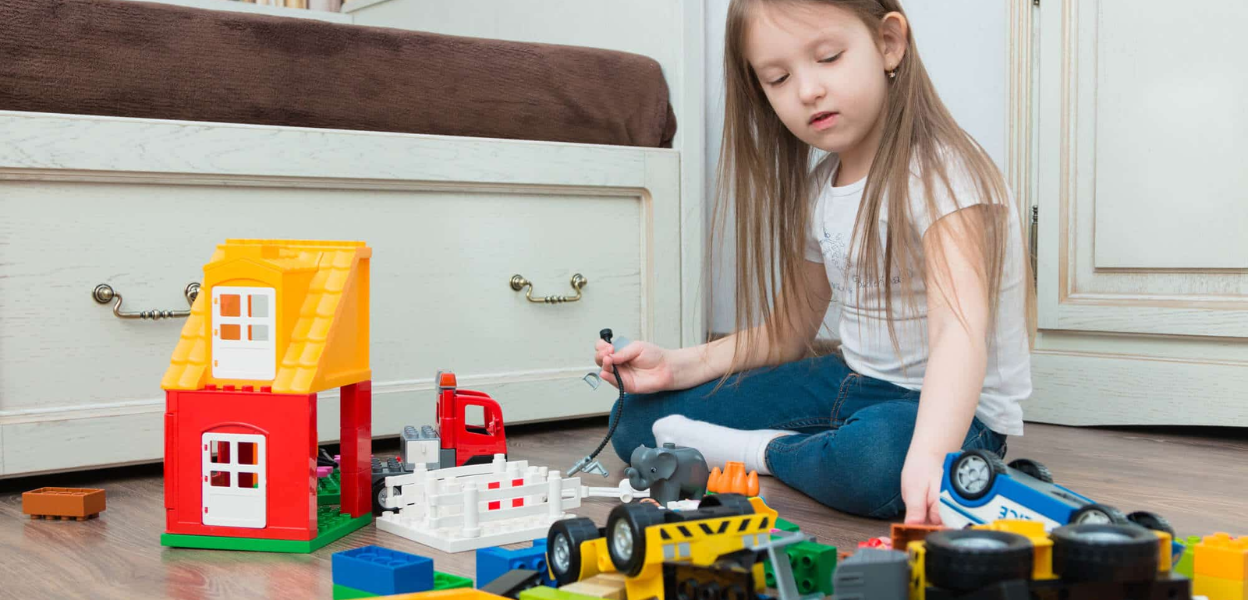
STEM Toys That Secretly Teach Kids Advanced Skills
Some toys are undercover teachers. We’re diving into STEM toys that sneak in lessons on coding, design, and physics so naturally, kids don’t realize they’re building real-world skills.
Some toys simply entertain. Others quietly shape how children think, solve problems, and see the world. The most effective stem toys fall into that second group. They capture attention with bright colors, interesting pieces, or moving parts, but behind the fun they are planting seeds of science, technology, engineering, and math.
When kids play with these toys, they are not just following instructions or stacking blocks. They are testing ideas, figuring out why something works, and learning how to fix it when it doesn’t. That kind of thinking stays with them far beyond childhood.
Why STEM Toys Hold Their Power
Children are naturally curious. A good stem toy taps into that curiosity and keeps it going. Each action creates a visible result, something lights up, a wheel turns, or a marble changes speed. That instant feedback invites them to keep experimenting.
Many of the best stem toys for kids layer skills without calling attention to it. A child who builds a bridge might be practicing balance, weight distribution, spatial awareness, and fine motor control all at the same time. Because they are enjoying themselves, they do not notice how much they are learning.
Learning Coding Through Play
Coding is often imagined as hours in front of a computer, but it can be introduced through hands-on play. There are stem games that use cards, puzzle pieces, or programmable robots to teach children the logic of coding.
These toys guide kids through sequences, encourage them to predict outcomes, and help them see patterns. If the result is wrong, they adjust the sequence and try again. This “debugging” mirrors real programming but happens in a way that feels like a game.
A good example is a floor robot that follows color-coded commands. The child lines up the codes in the order they want, and the robot moves accordingly. In the process, they begin to understand conditional thinking, sequencing, and planning.
Building Like an Engineer
Stem building toys give children a chance to work with their hands while thinking like designers. Pieces fit together in many ways, so each project becomes a small engineering challenge.
Magnetic tiles might become a tall tower one day and a miniature city the next. With each build, the child learns about stability, structure, and creative problem-solving. They figure out which shapes hold better and why certain designs are more balanced.
You can make these sessions more exciting by introducing building challenges. Ask them to create the longest bridge possible using a limited number of pieces or to design a structure that can hold a certain weight. These prompts encourage critical thinking and persistence.
Physics in the Playroom
Physics becomes easier to understand when it is part of a game. A stem kit for kids that uses ramps, levers, or spinning parts gives a real-life demonstration of force, motion, and gravity.
Marble runs are a perfect example. Kids watch how a change in slope speeds up or slows down the marble. They experiment with curves, drops, and jumps, learning momentum and acceleration without realizing they are doing science.
Other options include air-powered rockets, water wheels, or wind turbines. Each one gives a hands-on introduction to energy transfer and cause-and-effect relationships.
The Soft Skills That Come Along for the Ride
Stem learning toys do more than build technical skills. They often require communication, teamwork, and patience, especially when used in group play.
When two children work on the same project, they learn how to share ideas, listen to each other, and combine their strengths. Even solo projects build soft skills by encouraging persistence, focus, and self-motivation.
These skills are harder to measure than learning to code or building a circuit, but they are just as important for long-term success.
How to Choose a STEM Toy That Works
With so many options available, it is easy to pick something that looks impressive but does not keep a child’s attention. Here are some things to consider when choosing:
Open-Ended Play
A toy that offers multiple possibilities will last longer in a child’s interest.
Scalability
Look for stem kits for kids that can start with simple builds and progress to more advanced ones.
Hands-On Design
Younger children especially benefit from toys they can touch and move rather than those that are entirely screen-based.
Skill Integration
The best toys combine multiple skills such as logic, problem-solving, and creativity.
Examples of Toys That Consistently Deliver
Snap Circuits Jr. teaches electrical concepts through fun projects.
Gravitrax lets children explore gravity and speed with customizable tracks.
LEGO Education Spike Essential mixes building and coding in one kit.
K’NEX STEM Explorations promotes structural and mechanical thinking.
Turing Tumble teaches logic using marbles and mechanical parts.
Thames and Kosmos Chemistry Kit introduces safe, simple experiments.
Botley 2.0 offers screen-free coding challenges.
Everyday Items That Work as STEM Tools
Not every stem toy comes from a store. A simple set of dominoes teaches sequencing and momentum. Flying a kite introduces concepts like lift and wind speed. Cooking together blends chemistry, measurement, and time management into one hands-on activity.
These activities remind us that STEM learning does not have to be expensive or complicated. What matters most is an environment that encourages exploration.
Combining Toys for More Complex Play
Sometimes two toys together create a bigger learning experience than either could on its own. A LEGO car can be tested on a ramp built from a marble run. A pulley system can be added to a building set to lift small objects.
Combining toys encourages children to think creatively and link concepts across different areas of STEM.
Encouraging STEM Play at Home
Make space for exploration. Set aside regular time for children to experiment with stem building toys. Present them with real-world challenges such as creating a bridge strong enough to hold a small book. Rotate toys to keep their interest fresh and prevent boredom.
Praise their effort and process. Even when a project does not work out, it builds resilience and problem-solving skills.
Stem toys are more than a way to keep children busy. They create experiences that shape how kids approach problems, explore new ideas, and build confidence in their abilities. The right toy keeps inspiring curiosity and learning well beyond the first play session. When you select stem toys for kids that combine fun with skill-building, you give them something valuable, knowledge and abilities that will grow with them for years to come.
For more on toys, follow FlexGlimpse.
Related Blogs

ShirtPunch Review: Fun Pop Culture Apparel and Collectibles
Looking for unique pop culture apparel? Read our ShirtPunch review to explore graphic T-shirts, hoodies, collectibles, and accessories designed for fans of gaming, anime, movies, comics, and more.

Is Commomy Decor Worth Buying For Stylish Home Furniture
Looking for stylish and practical home furniture? Read our Commomy Decor review to explore its modern furniture designs, décor collections, functional pieces, and affordable options that help create comfortable and beautiful living spaces.

Is Team Motorcycle the Best Store for Motorcycle Gear and Riding Accessories
Searching for reliable motorcycle gear? Read our Team Motorcycle review to explore its wide range of helmets, riding apparel, boots, gloves, luggage, and accessories designed for riders of every experience level and budget.