How Tech Has Changed the Rulebook on Car Safety
Car safety tech has moved past airbags and seatbelts and it's kind of genius.
Remember the days when “car safety” meant a seatbelt, an airbag, and maybe, just maybe, a sturdy frame? Times have changed. In fact, they’ve changed so much that how has car safety changed with tech is no longer a question, it’s a revelation.
Modern cars are packed with technology that makes them feel more like smart devices than machines with four wheels. From automatic braking to lane assist to a growing web of sensors, safety in cars is now an intricate dance of hardware and software, all working together to keep drivers and passengers safe.
So, let’s take a drive through the evolution of car safety, how it’s impacting your daily commute, and why that little light on your dashboard is smarter than you think.
A Look Back at What “Safe” Used to Mean

Flashback to the ‘90s, and “car safety” was a simpler checklist. You’d buckle your seatbelt, check the brakes, maybe glance at the tire pressure, and that was your car safety check. If your car had airbags, it felt like a high-tech bonus.
Car safety changes were slow and often reactive, features like anti-lock brakes (ABS) were innovations, but they didn’t completely shift how we thought about driving.
The focus was mechanical: thicker bumpers, crumple zones, and improved seat designs. But for all their merits, these old-school car safety tips mainly relied on human awareness. If a driver wasn’t alert, no amount of metal could save the day.
Even car safety inspections were basic, usually revolving around checking lights, brakes, and fluids. The systems themselves weren’t evolving in leaps and bounds. It was a good system, until it wasn’t enough.
Now Comes The Era of Smarter Driving
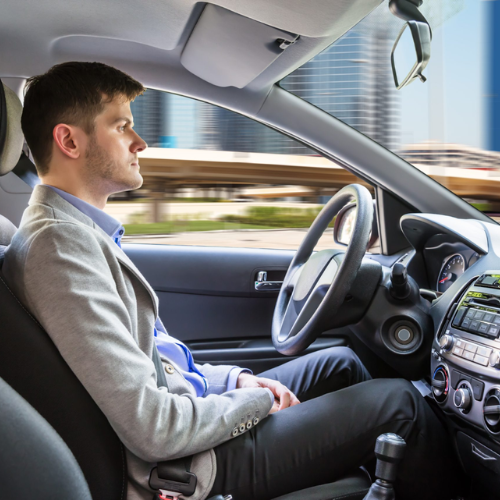
Cue the tech revolution. Suddenly, safety in cars wasn’t just about what you could see or touch, it was about what the car could sense, predict, and even decide for you.Features like lane-keeping assist, adaptive cruise control, and forward collision warnings became the new normal. Your car could now detect when you drifted over a lane, automatically slow down if you approached another vehicle too quickly, and even slam on the brakes if you didn’t react fast enough.
These systems were game-changers. They expanded the definition of car safety changes from passive protection to active prevention. They turned your car into a co-pilot, one that didn’t get distracted or doze off after a long day. And while these technologies can’t replace the human driver, they certainly step in where we sometimes fall short because no matter how careful you are, there are moments when a split-second intervention can be the difference between a close call and a collision.
Sensors, Cameras, and AI
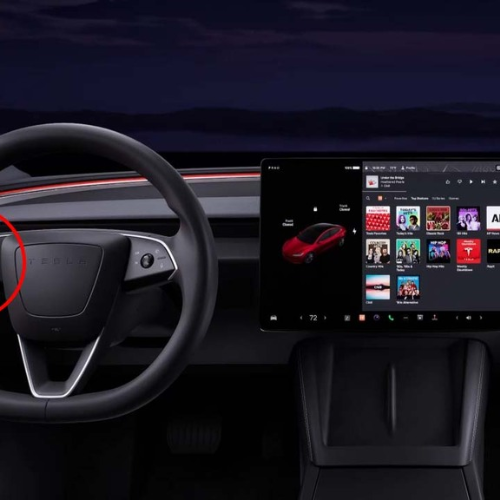
So, how has car safety changed with tech? The magic lies in the layers such as sensors, cameras, radar, lidar, and AI algorithms all working together behind the scenes. Blind-spot monitors use radar to detect what you can’t see. Rearview cameras give a crystal-clear view of what’s behind you. Parking sensors beep to warn you when you’re getting a little too close for comfort.
Some systems use forward-facing cameras combined with AI to recognize traffic signs and even detect pedestrians or cyclists. Automatic Emergency Braking (AEB) systems can apply the brakes faster than you could, helping prevent crashes in the blink of an eye.
And it’s not just about avoiding accidents, it’s about learning from near-misses. Modern cars log data, which manufacturers use to improve the next generation of safety features. This constant feedback loop has turbocharged changes in car safety, what used to take years to develop can now evolve with each over-the-air software update. It’s like your car is going to school while you sleep, quietly learning how to protect you better every day.
The Insurance Industry Is Taking Notes
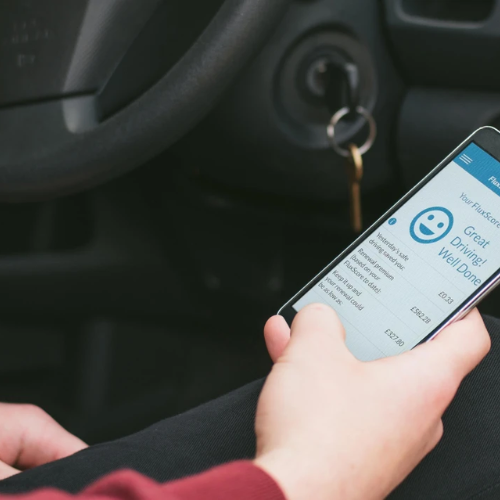
You’re not the only one noticing the shift, insurance companies are too. With all these advanced safety systems in place, insurers are rethinking risk, and that has real-world implications for your wallet.
Cars with features like AEB, lane-keeping assist, and blind-spot monitoring tend to get better car safety ratings, which can translate to lower premiums. Why? Because they statistically get into fewer and less severe accidents.
When you shop for insurance, mentioning your car’s advanced safety features isn’t just a nice bonus but a negotiating tool. It’s also why some companies offer discounts specifically for cars equipped with certain systems. However, if something goes wrong, repairs can be pricier. Sensors embedded in bumpers or mirrors mean a minor fender-bender could cost more than it would in an older, simpler car.
Still, overall, car safety changes brought by tech are pushing the insurance industry toward safer, smarter risk assessments.
Is It Foolproof? Not Quite
For all the high-tech wizardry, these systems aren’t magic wands. They have limits, and sometimes they fail. A dirty camera lens, a misaligned sensor, or unexpected weather conditions can throw off a system’s performance. Lane-keeping assist might not recognize faded road markings. Adaptive cruise control may struggle in heavy rain. And while AEB is great at preventing low-speed crashes, it’s not always reliable at higher speeds or in complex scenarios.
This is why car safety tips still emphasize human vigilance. The best safety feature in any car is still an attentive driver. Technology is a powerful co-pilot, but it can’t and shouldn’t replace your responsibility behind the wheel.
Car safety check routines remain essential. You still need to monitor your tires, brakes, and fluids, but now, you also need to keep an eye on your car’s sensors and software updates. Safety has become a shared job between you and your car.
What This Means for the Everyday Driver
So, what does all this mean when you’re just trying to get from point A to point B? It means your car is smarter than ever and it’s working overtime to keep you safe. From helping you navigate tight parking spots to preventing accidents on the freeway, these features are changing how we drive and what we expect from our vehicles.
For the everyday driver, car safety inspection is an ongoing awareness of how your car’s tech helps you and how you help it.
Knowing how your safety systems function, when to trust them, and when to take over is the key to getting the most out of these advancements. And understanding car safety ratings can help you choose the right car for your lifestyle, budget, and priorities. Changes in car safety are shaping the future of mobility.
Tech has changed the meaning of car safety, what used to be a simple checklist is now a complex, dynamic system built to protect you when you need it most. The best part? These changes aren’t just for high-end models anymore. From compact cars to family SUVs, safety tech is becoming standard, leveling the playing field and giving more drivers access to life-saving features. Safe driving starts with smart choices so choose wisely, and let your car’s tech do the rest.
For more on the latest in automotive tech, follow FlexGlimpse.
Related Blogs

ShirtPunch Review: Fun Pop Culture Apparel and Collectibles
Looking for unique pop culture apparel? Read our ShirtPunch review to explore graphic T-shirts, hoodies, collectibles, and accessories designed for fans of gaming, anime, movies, comics, and more.

Is Commomy Decor Worth Buying For Stylish Home Furniture
Looking for stylish and practical home furniture? Read our Commomy Decor review to explore its modern furniture designs, décor collections, functional pieces, and affordable options that help create comfortable and beautiful living spaces.

Is Team Motorcycle the Best Store for Motorcycle Gear and Riding Accessories
Searching for reliable motorcycle gear? Read our Team Motorcycle review to explore its wide range of helmets, riding apparel, boots, gloves, luggage, and accessories designed for riders of every experience level and budget.