What to Know Before Buying a Wireless Dog Fence That Actually Works
Wireless dog fences have changed dramatically in recent years. Here’s what to understand before investing in one, plus where Halo Collar fits in.
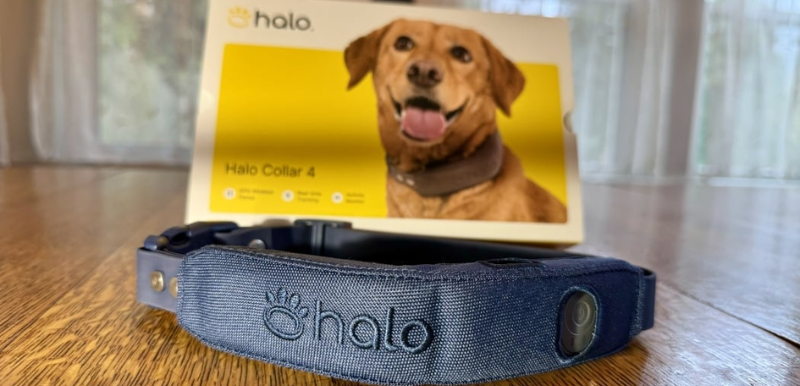
The idea of letting dogs roam freely without risking their safety sounds like a dream, but for many, it’s quickly becoming reality. Wireless containment systems, especially those powered by GPS, are transforming how dog owners manage space and freedom. One product consistently in the conversation is the halocollar, an all-in-one system that claims to combine safety, training, and real-time tracking in a single solution. But what really makes a wireless system effective? And what should you know before investing in one?
This blog covers how these systems work, what matters most when choosing one, and why the halo collar is often used as a reference point in the invisible fence category.
Wireless Dog Fences 101
What They Are and Why They Exist
For years, an invisible fence for dogs meant hiring someone to bury wires around the yard. That model still exists but it's fading fast. Modern wireless systems skip the digging entirely. Instead, they rely on a gps tracker to define containment zones. The collar tracks your dog’s location using satellites and sends a warning when the dog approaches the edge of the boundary you’ve set.
The appeal is that there is no installation, no landscaping disruption, and flexible setup. In a world where people rent homes, travel with pets, or need to adjust boundaries seasonally, physical fences just don’t keep up.
The Difference Between a Virtual Fence and an Invisible Fence for Dogs
An invisible fence uses buried wires and a transmitter. A virtual fence uses GPS tracking to define a zone on a digital map. The halo collar, for example, stores those zones directly on the collar, so even if there's no phone signal or Wi-Fi, the boundaries still exist.
There’s also flexibility in size. Some systems limit you to a small radius, but advanced collars like the halo collar allow custom shapes across up to 1,200 square miles. That’s a major distinction for people with large properties or those who camp, hike, or take their pets off-grid.
The Technology Behind GPS Fence Systems
How the GPS Tracker Functions in Real-Time
The responsiveness of your gps tracker determines how useful your system really is. A delay of even a second can mean the difference between your dog staying safely within range or crossing into a road. The halocollar updates location data four times every second. That means it doesn’t just tell you where your dog was, it tells you where your dog is right now.

That level of precision comes from dual-frequency GPS, something the latest model improved on significantly compared to the halo 3. It pulls signals from two GPS bands instead of one, reducing errors caused by buildings, trees, or poor weather.
Comparing Collar Tech
Some owners hear "static feedback" and think shock collar. But with the halo collar, the feedback system is designed more like a tap on the shoulder, not a jolt. The collar lets owners customize whether the correction comes in the form of a sound, vibration, or static. You choose what your dog responds to best.
This turns the collar into a dog training collar as much as it is a containment tool. Feedback helps your dog learn to stop and turn around before crossing the fence boundary, making the system both corrective and preventive.
What to Watch Out for Before Buying
Common Pitfalls with Invisible Fence Systems
One major issue with traditional wired systems is permanence. Once the wires are in, you're committed. If you move, change your yard layout, or just want to expand the range, you’ll need to reinstall everything. A virtual fence avoids that issue completely.
Another concern is the lack of adaptability. Some cheaper GPS collars only allow a circular boundary, which doesn’t work for rectangular or irregularly shaped yards. The halo collar, however, lets you draw custom shapes directly in its app.
Connectivity, Battery, and Coverage Concerns
Battery life is a big factor. If your dog is off-leash for extended hours and the collar dies, the system becomes useless. The halo collar has improved in this area with its 30+ hour battery, which is a leap forward from the halo 3.
Coverage is another consideration. Some gps tracker systems only work on Wi-Fi or require a specific cellular network. The halocollar uses multiple global carriers, auto-selecting the strongest available signal, even in remote locations.
How the Halo Collar Fits Into the Picture
From Halo 3 to Halo Collar 4
The halo collar has evolved. The most recent version is lighter, smaller, and more battery-efficient than the halo 3. Its PrecisionGPS™ uses both L1 and L5 frequencies to cut through interference. It also fits more dogs thanks to a customizable sizing system for necks between 8 and 30.5 inches.
You still get everything the previous version offered, customizable boundaries, a robust app, and activity tracking, but the upgrades make it far more user-friendly.
Real Users, Real Environments
User feedback paints a clear picture: the collar works well when trained properly. Owners with sprawling properties, some covering over 200 acres, say their dogs remain safely within boundaries. Urban users appreciate being able to create smaller zones in complex environments. One dog, lovingly described as a “velociraptor,” tests the fence constantly, but hasn’t escaped yet thanks to the collar’s alert system.
These stories echo across hundreds of reviews, giving credibility to the halocollar’s reputation as a serious containment tool.
Do Wireless Dog Fences Really Work?
No two dogs are alike. That’s why a system like the halo collar offers flexibility. But even the best tech depends on proper training. Fortunately, the collar comes with a full program developed with experts in behavior science. This turns the system into a dog training collar that supports long-term behavior changes.
Breed and size aren’t barriers either. The collar works with over 350 breeds and dogs as small as 10 lbs. If a dog is at least five months old and weighs enough to safely wear the unit, it’s eligible.
The Importance of a Solid App and Responsive Tracking
The halocollar app functions as your main dashboard. You can create fences, track activity, receive safety alerts, and access customer support, all in one place. The app also gives you access to features like the return whistle and daily activity reports, which go beyond containment and into full pet care management.
A system without a robust app creates more stress than safety. This is one area where the halo collar clearly distinguishes itself from other invisible fence options.
A GPS-based invisible fence for dogs solves a real problem. It provides safety while allowing dogs to experience more freedom. But choosing a system should come with research, not impulse. Look for real-time tracking, flexible fencing, proven training support, and long-term reliability. The halo collar is one of the few systems that ticks all those boxes while also evolving based on user feedback. From the original halo 3 to the newest version, it shows how the tech has matured and how virtual fences are no longer a backup plan, but a serious alternative to physical barriers.
For more on home technology, be sure to follow FlexGlimpse.
Related Blogs

Is Commomy Decor Worth Buying For Stylish Home Furniture
Looking for stylish and practical home furniture? Read our Commomy Decor review to explore its modern furniture designs, décor collections, functional pieces, and affordable options that help create comfortable and beautiful living spaces.

Is Team Motorcycle the Best Store for Motorcycle Gear and Riding Accessories
Searching for reliable motorcycle gear? Read our Team Motorcycle review to explore its wide range of helmets, riding apparel, boots, gloves, luggage, and accessories designed for riders of every experience level and budget.

Is WPL RC the Best Store for RC Vehicles and Parts
Looking for realistic and affordable RC vehicles? Read our WPL RC review to explore its wide range of hobby-grade trucks, crawlers, DIY kits, replacement parts, and upgrade accessories designed for beginners and experienced RC enthusiasts.